

traumatic brain injury (TBI) Litigation
The Hidden Injury
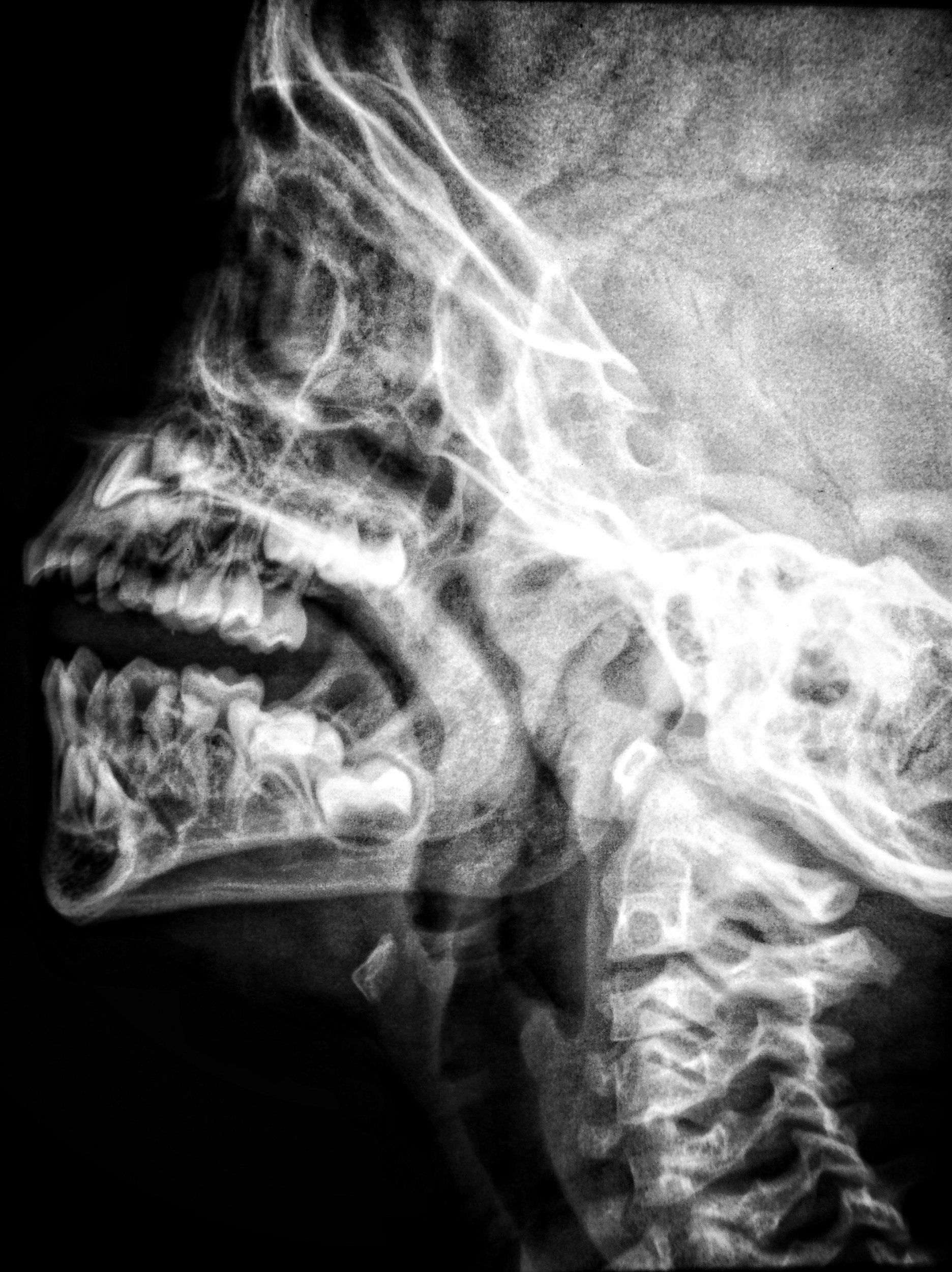
When you or a loved one survives a serious accident, the immediate relief of walking away can quickly fade into a confusing reality. While a broken bone can be clearly identified on a standard X-ray, a traumatic brain injury (TBI) is often deeply subclinical. It is frequently referred to as the hidden injury because its devastating damage occurs beneath the surface, completely invisible to the casual observer.
At Maucere Law Group, our personal injury trial attorneys understand that just because an injury cannot be seen does not mean it isn't profoundly life-altering. If you are struggling with the cognitive, emotional, and physical aftermath of a brain injury, you do not have to carry this heavy burden alone. We believe our clients, we validate their experiences, and we fight tirelessly to prove the true scope of their damages.
Why Insurance Companies Fight Traumatic Brain Injury Claims
Securing fair compensation for a brain injury is notoriously difficult. Because TBIs lack obvious external markers like a cast or physical scarring, corporate defendants and insurance companies routinely mount aggressive defense strategies.
Insurance adjusters and their legal teams frequently utilize the following tactics to devalue your claim:
Insisting the TBI is not real: Defense attorneys often rely on normal initial emergency room CT scans to argue that no injury occurred, ignoring the fact that microscopic axonal shearing (tearing of brain fibers) rarely shows up on standard imaging.
Blaming the victim: They may claim your persistent confusion or emotional struggles are actually due to pre-existing conditions, stress, or everyday anxiety.
Minimizing mild TBIs: They will use terms like "just a mild concussion" to trivialize your experience, despite medical data proving that "mild" brain trauma can result in permanent, long-term cognitive deficits.
Maucere Law Group’s legal team anticipates these bad-faith tactics. We cut through corporate deflection by deploying precise medical evidence, advanced diagnostics, and unyielding advocacy to hold the negligent parties strictly accountable.
Non-Obvious Accidents That Can Trigger a TBI
While high-speed collisions are well-known causes of head trauma, severe brain injuries frequently stem from incidents where an impact seemed minor or where the head never actually hit a solid object. The rapid acceleration and deceleration forces alone can cause the brain to collide violently with the inside of the skull.
We represent clients across a wide scope of complex personal injury matters, including less obvious accidents such as:
Motor vehicle accidents (even low-velocity impacts): Low-speed "fender benders" can generate significant whiplash, causing rapid brain movement and severe internal trauma without any direct head contact.
Falls: Slips, trips, and falls on slick surfaces or stairwells remain a leading cause of debilitating concussions and contusions.
Trucking and commercial vehicle accidents: The immense mass and kinetic energy involved in accidents with semi-trucks transfer devastating forces to smaller passenger vehicles.
Structural and code violations: Property owners who neglect building codes can cause catastrophic structural failures, collapsing ceilings, or unstable fixtures that cause severe head trauma.
Sports and spectator injuries: Athletes and fans alike face distinct risks from poorly designed safety barriers, flying objects, or improperly managed athletic protocols.
Falling objects: Debris dropping from retail shelving, construction platforms, or unmaintained ledges can strike with immense force.
Recognizing the Warning Signs: Common TBI Symptoms
The symptoms of a traumatic brain injury can emerge immediately or slowly manifest over days and weeks following the initial trauma. If you or a loved one are experiencing any of the following warning signs after an accident, it is vital to seek immediate medical and legal assistance:
Persistent cognitive issues: Difficulties with short-term memory, trouble concentrating, brain fog, and struggling to find the right words during conversations.
Sensory disturbances: Heightened sensitivity to light and sound, blurred vision, ringing in the ears (tinnitus), or a frequent metallic taste.
Disrupted sleep patterns: Suffering from severe insomnia, or conversely, feeling an overwhelming fatigue and sleeping significantly more than usual.
Emotional and behavioral shifts: Sudden, uncharacteristic mood swings, increased irritability, unexplained anxiety, or deep bouts of depression.
Physical impairments: Chronic, recurring headaches, dizziness, loss of physical balance, or unexplained nausea.
The Need for Medical and Economic Experts
To win a traumatic brain injury lawsuit, you must prove the full trajectory of your injury. This requires looking far beyond your current medical bills to accurately calculate your lifetime future damages.
The attorneys at Maucere Law Group regularly collaborate with top-tier medical and financial experts to build bulletproof claims for our clients:
Advanced Neurological Diagnostics: We work with leading neurologists and neuropsychologists who utilize advanced imaging tools to clearly diagnose and map out brain dysfunctions.
Prognosis and Life Care Planning: Experts help establish a definitive long-term medical prognosis, detailing your ongoing needs for speech therapy, occupational rehabilitation, and specialized cognitive care.
Economic Analysis: Financial analysts calculate your diminished earning capacity and lost wages, ensuring that if your injury prevents you from ever returning to your career, your financial future remains entirely protected.
Schedule a Free Consultation with a Brain Injury Attorney
If you are navigating the complex, frustrating reality of a traumatic brain injury, do not face the insurance companies alone. The Maucere Law Group brings the deep legal expertise, investigative resources, and aggressive litigation strategies necessary to secure the full financial recovery you deserve.
Contact the Maucere Law Group today for a free, confidential consultation. Let us carry the legal burden so you can focus entirely on your healing and recovery.
Further Legal Resources and Insights
To learn more about traumatic brain injuries and how our team advocates on your behalf, explore our library of resources:
[INSERT_LINK_1: Understanding FMCSA Hours-of-Service Regulations and Driver Fatigue]
[INSERT_LINK_2: What is an Electronic Control Module, and How Does It Protect Your Trucking Claim?]
[INSERT_LINK_3: Freight Broker vs. Motor Carrier: Decoding Liability Chains in Highway Wrecks]